
7 Common Kiln-Loading Mistakes That Cause Cracks and Blowouts
Cracks and blowouts are often blamed on clay or glaze, but the way a kiln is packed decides much of the outcome. Here are seven loading mistakes and how to fix them.
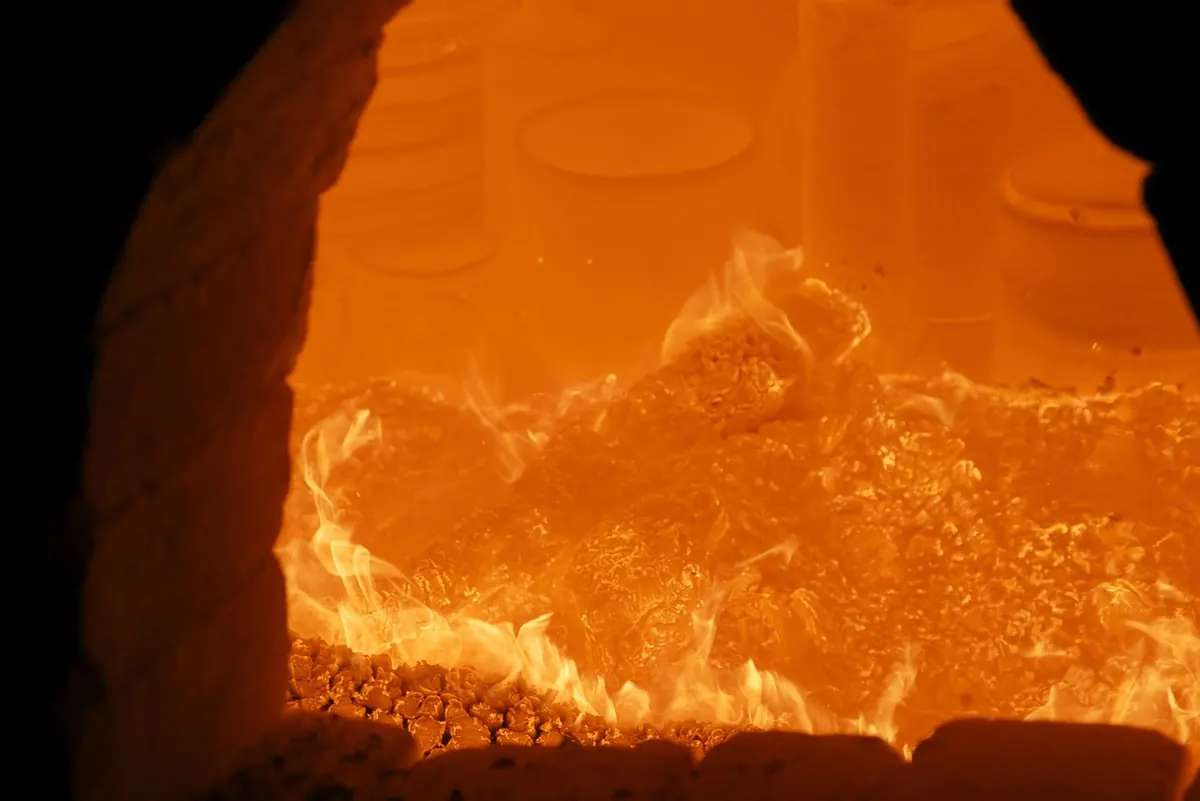
Every potter knows the sound. A sharp tick from inside a cooling kiln, or the muffled thump of a blowout somewhere near cone 06. You lift the lid expecting the best batch of the month and find a bowl split cleanly down one side, or a vase with a crater blown through its belly. Clay and glaze get blamed first, and sometimes they deserve it. More often the real culprit is the way the kiln was packed: where the pieces sat, how much air they had around them, and whether heat could move evenly from the elements to the furthest corner of the stack.
None of this requires expensive equipment. It requires a few habits, and a willingness to slow down for the ten minutes before the lid goes down.
Mistake 1: Crowding pieces until they almost touch
In an electric kiln, elements heat the air and the shelves, and those surfaces radiate heat onto the ware. In a gas kiln, it is moving flame. Either way, gaps are the channels heat travels through. Two glazed mugs set a hair apart create a shaded pocket between them that stays noticeably cooler than the side facing the element. The cool side shrinks a little less. Something has to give, and it is usually the piece.
Give yourself room. Roughly a finger's width between bisque pieces is a decent working habit; for glazed ware, especially rims and lids, aim for closer to two centimetres so there is no chance of a glaze bridge forming. Keep everything at least a few centimetres clear of the elements, and never let a pot touch the brick or fibre lining, which can leave a scuff mark at best and a stuck pot at worst.
Before you close the lid, crouch down and look across the shelves at eye level. Crowding is much easier to spot from the side than from above.
Mistake 2: Forgetting vertical clearance
Shelf height gets set early and then quietly ignored. But the space above a pot matters as much as the space beside it: the underside of the shelf above is effectively the ceiling of that pot's little room, and if it is too close, the top of the piece heats faster than the base. Uneven expansion between rim and foot is a classic cause of dunting — those clean, sad cracks that appear on cooling.
Leave a minimum of two centimetres above the tallest piece on a shelf, and three to five where your shelf settings allow. Tall vases, teapots with lids, and anything with a handle deserve generous headroom. If a piece is unusually tall, build the stack around it rather than squeezing it in at the last minute, and consider giving it the top shelf where nothing sits above it at all.
Mistake 3: Ignoring the kiln's hot and cool spots
No kiln fires perfectly evenly. Many electric models run hotter near the lid and cooler at the door; the corners nearest the elements run hotter than the centre; the bottom shelf can lag behind if the floor is well insulated. Loading as though every shelf is identical is one of the quietest ways to lose work.
Learn your kiln's map. Put witness cones on more than one shelf for a few firings and note what they tell you. Then place accordingly: thin, sturdy, unglazed pieces and test tiles into the edges and the known hot zones; your best glazed bowls, thick sculptural work, and anything with a wide flat base into the steadier middle. Rotate placement from firing to firing so no single shelf always gets the harshest treatment. In a shared studio kiln, ask the person who fires it most where the hot corner is — they will know.
Mistake 4: Trusting greenware that is still damp
Most blowouts are steam. Water trapped in a thick base, a heavy handle join, or a solid sculptural mass turns to steam faster than it can escape through the clay body, and something has to open. The result is a crater with ragged edges, sometimes a piece in three pieces.
Bone dry is a higher bar than most of us think. The outside of a pot can look and feel ready while the base is still cool to the touch. Press the bottom against your cheek or the back of your hand. If it feels cool, it is still losing moisture. Thick pieces, joined work, and anything made in humid weather need longer.
- Candle the kiln: hold at around 80–100°C for several hours with the lid or bung cracked, so moisture leaves slowly.
- Place suspect pieces on the middle shelves, away from elements that hit them with direct radiant heat.
- Vent closed forms with a small hole; trapped air expands too.
- Never load straight from a cold garage or damp shelf into a fast schedule.
Mistake 5: Blocking elements, peepholes, and sensors
It is tempting to tuck a small pot into the gap beside an element. Resist. Ware pressed close to an element creates a local hot spot, shortens element life, and fires that one pot far harder than its neighbours. Keep the element channels visibly clear from top to bottom.
The same applies to the kiln's information channels. A blocked peephole means you cannot check cones. A thermocouple or controller sensor with a shelf or a tall pot right in front of it reads the wrong temperature and can push the whole firing hotter than intended. Vent holes and the gap under the bottom shelf need to stay open so steam, carbon, and fumes can move and leave. Bottom shelves sitting directly on the kiln floor are a common cause of uneven firings.
Mistake 6: Setting posts out of line and overloading shelves
Kiln posts are cheap; collapsed shelves are not. Each post should sit directly above the post below it, so the load travels straight down through the stack. Offset them and the shelf carries a bending load it was never designed for. Warm, a shelf sags; hotter, it can give way, and then you are chiselling molten glaze off a warped batt.
If the post above is not sitting on the post below, the shelf is already bending.
Use three posts for a small shelf and four for a large one, set slightly in from the corners but not hanging off the edge. Check post ends for chipping, and do not stack a heavy load of thick stoneware on a shelf already carrying several levels below it. Know roughly what your batts will take and stay inside that.
Mistake 7: Packing the kiln tight, then cooling it fast
A densely packed kiln holds heat, which means it cools slowly — good for the ware, unless impatience takes over. Cracking a lid wide open at 500°C to get the pots out before dinner is how well-fired pieces split on the way down. Thin rims and flat bases suffer first. Let the kiln cool at its own pace, keep peepholes closed during the early drop, and open up gradually below a couple of hundred degrees.
A five-minute loading check
- Post alignment: every post directly over the one beneath it, no chipped ends.
- Bottom and top clearance: air under the lowest shelf, and nothing packed against the lid.
- Element channels clear the full height of the kiln.
- Finger-width gaps between bisque, wider between glazed pieces, especially at rims.
- Headroom above the tallest pot on each shelf.
- Peepholes, vents, and sensors unobstructed.
- Thick or suspect pieces in the middle, not in the hot corners.
None of this makes firing predictable in every detail. Kilns have moods, glazes have opinions, and clay does what it wants at the edges. But most cracks and blowouts come from problems you can see before the lid goes down, if you take the time to look. Load slowly, leave space, and let the heat do the work.
Photo: kummod / Pixabay