
What to Bring to Your First Pottery Workshop: A 12-Item Checklist
A practical checklist of clothing, tools, and small essentials for your first pottery workshop, plus what most studios already provide so you can pack light.
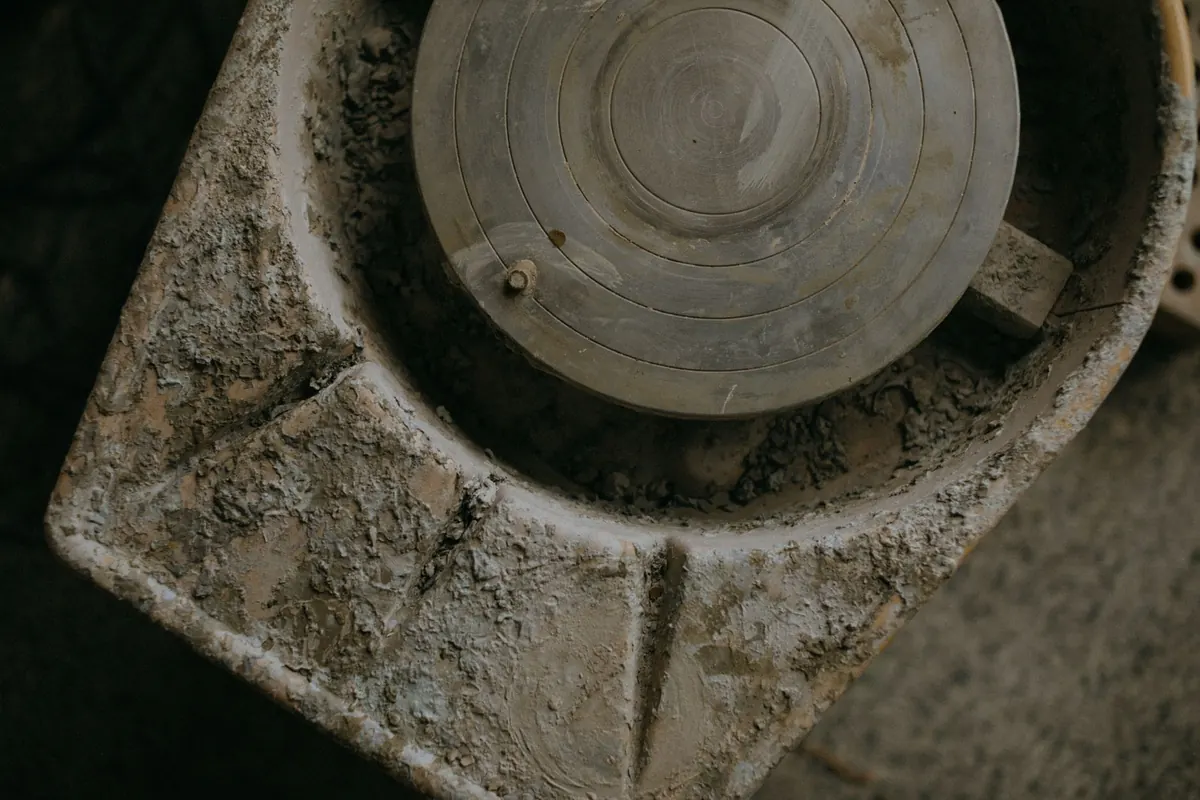
Your first pottery workshop has a way of making you overpack. You picture clay flying, glaze dripping, and a day spent covered in mud, so you fill a bag with old clothes, kitchen tools, and maybe a spare pair of trousers. Then you arrive and discover the studio has wheels, ribs, sponges, and a shelf for your work in progress. The truth is you need less than you think — but the few things you do bring make the session far more comfortable. Clay is wet, heavy, and quietly determined to travel home on your sleeves. A little planning keeps you relaxed at the wheel and saves your favourite jeans.
What Most Studios Already Provide
Before you buy anything, ask the studio one simple question: what is included in the workshop fee? Most beginner pottery classes supply the messy essentials. The list varies from one studio to the next, so confirm by email or on the booking page rather than guessing.
- Clay, slips, and glazes for class projects
- Wheels, wedging boards, and work surfaces
- Basic tools such as wooden ribs, needle tools, wire cutters, and sponges
- Aprons or old shirts, plus hand towels for communal use
- Kiln firing and shelf space for pieces that need to dry
- Storage for work in progress, if the course runs over several weeks
If the studio provides tools, do not rush out and buy a full kit before your first session. Beginner sets often include items you will not use for months. Wait until you know whether you enjoy hand-building, throwing, or both, then buy tools that match the way you work.
The 12-Item Checklist: Clothing and Comfort
- Clothes you can ruin. Wear a cotton T-shirt and trousers you would not mind staining. Avoid loose cuffs, flowing sleeves, scarves, and anything dry-clean only. Wet clay leaves marks, and clay dust finds its way into seams and pockets.
- Closed-toe shoes with grip. Trainers or work shoes are ideal. Sandals and flip-flops are a poor match for a wet floor, dropped tools, and a wheel that keeps turning when you least expect it.
- An apron or oversized old shirt. Even if the studio supplies aprons, bring your own if you prefer a proper fit. It keeps splashes off your lap and gives you a clean layer to take off before you get into the car.
- A hair tie and a jewellery plan. Tie back long hair before you sit at the wheel. Leave rings, watches, and bracelets at home; they trap clay, catch on equipment, and are awkward to clean. Short nails also make centring more comfortable.
The 12-Item Checklist: Tools and Hand Protection
- A small beginner tool kit, only if the studio asks. If tools are not included, ask which few to bring. A wooden rib, a needle tool, a wire cutter, a sponge, and a trimming tool cover most early projects. A small plastic tub makes a sensible tool box.
- Two hand towels or microfiber cloths. Keep one for your hands and one for the wheel or bench. Studios usually supply towels, but your own means you are not hunting for a dry corner when your hands are covered in slip.
- A dust mask. If you will be sanding, mixing dry materials, or cleaning up at the end, bring a well-fitting dust mask or respirator. Ask the studio what they recommend for their space. For dusty tasks, a proper mask is more useful than a loose scarf over your face.
- A plastic bag or wrap for damp work. If you are allowed to take work home between sessions, a labelled plastic bag or cling film slows drying and protects handles and rims. If the studio stores pieces for you, skip this item.
The 12-Item Checklist: Practical Items for Your Bag
- A water bottle with a lid. Pottery is thirstier work than it looks. A closed bottle keeps clay dust out of your drink. Open cups near a wheel are a spill waiting to happen, and you will already be handling enough water.
- A notebook and pencil. Note the clay body, the glazes, the stage your piece reached, and the instructor’s tips. Pencil survives damp fingers better than ink. A few sketches of your first cylinder or bowl are useful to look back on later.
- A small snack. For a half-day workshop, a banana, a sandwich, or a handful of nuts keeps your energy steady. Keep food sealed and eat away from the clay area, where dust settles on every surface.
- A zippered tote or plastic bag for dirty things. A separate bag for a dusty apron, damp towel, or muddy shoes keeps your car and clean clothes reasonably clean. It also gives you somewhere to put a failed pot that you are not ready to throw away.
Small Habits That Make the First Session Easier
Arrive ten minutes early. That gives you time to find the studio, meet the instructor, and settle your bag without rushing. Ask where your work will be stored and how the cleanup works before you start. Studios often have a specific routine for tools, towels, and clay scraps, and following it makes you a easier person to share a bench with.
Keep your workspace tidy as you go. Clay dust is best cleaned with a damp cloth or mop rather than swept dry, and small scraps can go back into the reclaim bucket instead of onto the floor. Wash your hands before you eat, drink, or touch your phone. If you have asthma, skin sensitivities, or another health concern, speak with the studio and your healthcare professional before the session, especially if you plan to work with dry materials or glazes.
Packing the Night Before: A Quick Final Check
Lay out your clothes, shoes, apron, and towel the night before. Put the notebook, pencil, water bottle, snack, and dust mask in your bag by the door. Check the studio’s confirmation email for arrival instructions, parking notes, and anything they specifically ask you to bring. If you are unsure about tools, send a short message rather than buying a kit you may not need.
The best first-workshop kit is light, washable, and easy to carry. Bring clothes that can take a stain, shoes that grip, and a willingness to get your hands dirty. The studio will handle the clay, the wheel, and the kiln. You just need to show up ready to learn.
Photo: KoolShooters / Pexels