

Holiday Tableware: Choosing and Caring for Ceramic Serving Pieces
A practical guide to choosing oven-safe ceramic serving pieces, avoiding thermal shock, and hand-washing delicate holiday tableware so it survives the season.
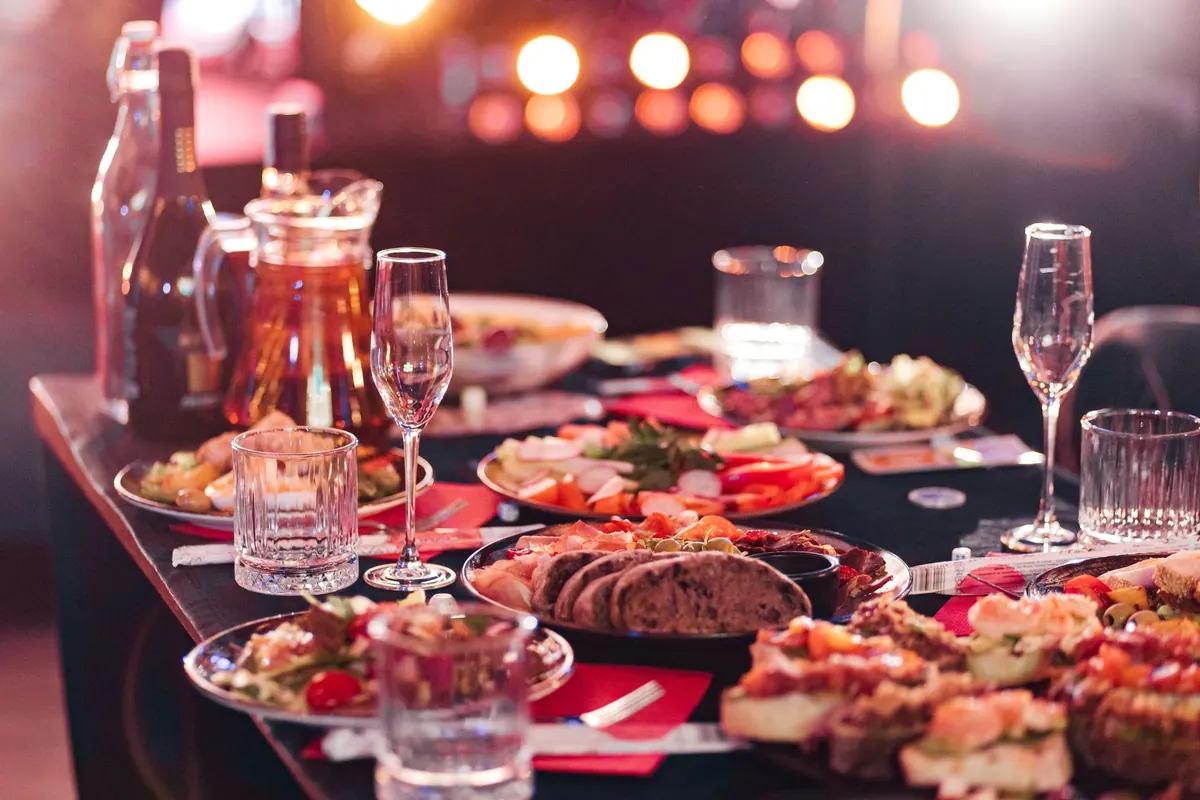
Somewhere between the guest list and the grocery run, a holiday table gets decided. Not the menu — the vessels. The wide low bowl that holds the potatoes, the oval platter that just fits the bird, the small dishes for olives and preserves that make the table look cared for. Ceramic serving pieces earn their place this time of year because they hold heat, take a sauce without staining, and look like something worth sitting down for. They also fail in specific, predictable ways. A platter that has survived ten summers can crack the one evening you slide it out of a hot oven onto a cold stone counter. The fixes are simple, but they need to happen before the food does.
What "Oven-Safe" Really Means
A dish marked oven-safe has been tested for a particular set of conditions: usually, that the piece can go from room temperature into a set oven temperature and back without cracking. It does not mean the dish is safe in any oven, at any heat, in any condition, and certainly not that it can go under the grill or sit on a lit hob. Treat the claim as narrow, because it is.
Read the base, not the memory
Turn the piece over before you plan a meal around it. Look for words like "oven safe," a maximum temperature, or a small oven icon in the glaze or on the foot ring. If a sticker washed off years ago, you no longer have that information — and if you cannot confirm it, use the piece for serving and gentle warming rather than roasting. Note, too, that "dishwasher safe," "microwave safe" and "freezer to oven" are three separate claims. A piece can carry one and not the others. Metal trim, gold lustre and platinum bands mean no microwave at all, and usually a hand-wash.
Materials, ranked by forgiveness
Earthenware and terracotta are low-fired and porous, and their glazes often craze over time. Many are decorative or serving pieces only; the ones that are oven-safe generally want moderate heat and a slow warm-up. Stoneware is high-fired and dense, and is the most dependable choice for a holiday table — it handles oven temperatures well and holds heat beautifully in a deep dish. It is still not immune to sudden change. Porcelain and bone china are strong but thin, and they are the least forgiving of a temperature jump: fine for a warm oven, risky in a hot one. Match the piece to the hottest thing it will touch, not to how it looks on the table.
Thermal Shock: The Quiet Cause of Most Cracks
Ceramic expands when it heats and contracts when it cools, and it does so unevenly, because one side meets the heat first. The glaze and the clay body underneath also expand at slightly different rates. Push that difference far enough, fast enough, and the stress exceeds what the piece can absorb. Sometimes it cracks on the spot. More often it leaves a hairline you cannot see, which opens weeks later under a spoonful of sauce.
- Let a cold dish come to room temperature before it goes into the oven, and never preheat an empty ceramic dish.
- Do not pour cold liquid — stock, gravy, milk — into a hot dish. Warm it first in a jug.
- Set hot pieces on a wooden board, a folded towel or a trivet. Bare granite, marble or a wet counter is a shock waiting to happen.
- Skip the ice bath. A hot dish does not need to be cooled quickly, ever.
- No grill or broiler setting unless the maker says so explicitly, and no direct flame or hob, including "just to keep it warm."
- Never move a dish straight from oven to fridge, or from freezer to oven.
- Warm plates gradually — a low oven, a plate warmer, or a rinse in hot water and a quick dry.
Matching Pieces to the Menu
Build the serving plan around heat. A large stoneware platter is the right home for a roast because it holds temperature while the meat rests; a shallow stoneware gratin dish is made for a bubbling cheese crust. Mashed potatoes and stuffing stay hot far longer in a lidded stoneware dish or a tureen than spread across a flat plate. Salad wants a wide glazed bowl, cool and generous, and a gravy boat is happiest warmed with hot water first and then filled — never set on the hob.
Dessert is where the fine porcelain comes out, and where restraint pays. Tea cups, cake plates and small compotes do not need to hold heat, so thin walls cost you nothing and look better. If you are passing platters down a long table, remember that heat retention and weight travel together: a heavy stoneware dish stays hot but is awkward at arm's length. One or two substantial pieces plus lighter dishes for everything else usually beats an all-heavy table.
Hand-Washing Without Heartbreak
Dishwashers are fine for many everyday stoneware pieces, but a holiday table is not the moment to gamble. Hot wash cycles, harsh detergent and heated drying are hard on gold trim, hand-painted detail and older glazes. If in doubt, wash by hand. It takes ten minutes and it is the single best thing you can do for a piece you want to keep.
- Scrape plates with a silicone or wooden tool. Metal on glaze leaves grey scratch marks that never come out.
- Let everything cool to warm room temperature before it goes near water.
- Fill a basin with warm water and a few drops of mild washing-up liquid. Wash one piece at a time, especially large platters.
- Use a soft sponge or cloth. No scouring powder, steel wool or melamine erasers on glaze, decoration or trim.
- Wash the foot and underside, but do not leave unglazed feet soaking — they drink water and can stain or smell.
- Rinse in water of the same temperature, then dry with a soft towel and let the piece air completely before stacking.
Give crackled or worn glazes a closer look. Fine crazing is often only cosmetic, but on a food-contact surface it can trap residue, and on vintage or unmarked imported pieces you cannot be sure what the glaze contains. If a piece is decorative-only, worn through, or of uncertain origin, keep it for display or line it with parchment. Where you have real concerns about glazes on older ware, ask a ceramics professional rather than guessing.
Storing and Stacking Between Meals
Most damage happens in the cupboard, not at the table. Put a felt pad, a paper plate or a coffee filter between stacked plates, and stack the heaviest pieces at the bottom of the shelf rather than on top of a delicate pile. Store cups upright or on their sides by the body, never hung long-term by the handle. Carry a dish with both hands under the base and rim, not by one handle. For a potluck, wrap each layer in a towel, pack into a rigid box rather than a bag, and put it on the floor behind the seat instead of on your lap.
A Last Word Before the Table Is Set
The night before, take five minutes with the pieces you plan to use. Turn each one over and read the base. Hold it to the light and look for hairlines, particularly around handles and the join between base and wall. Tap the rim gently with a fingernail — a clear ring is a good sign, a dull thud is not. Set a folded towel and a trivet where the hot dishes will land, and put a basin and a soft sponge in the corner before the guests arrive, so hand-washing is a two-minute job rather than a midnight negotiation. Then stop worrying about the ceramics. The table is only the frame; the meal is what people remember.
Photo: Vlad Deep / Pexels