

A Practical Guide to Dinnerware Glaze Durability
A practical look at what makes dinnerware glazes hold up to daily use, from food safety and cutlery marks to dishwasher wear and the questions worth asking before you buy.
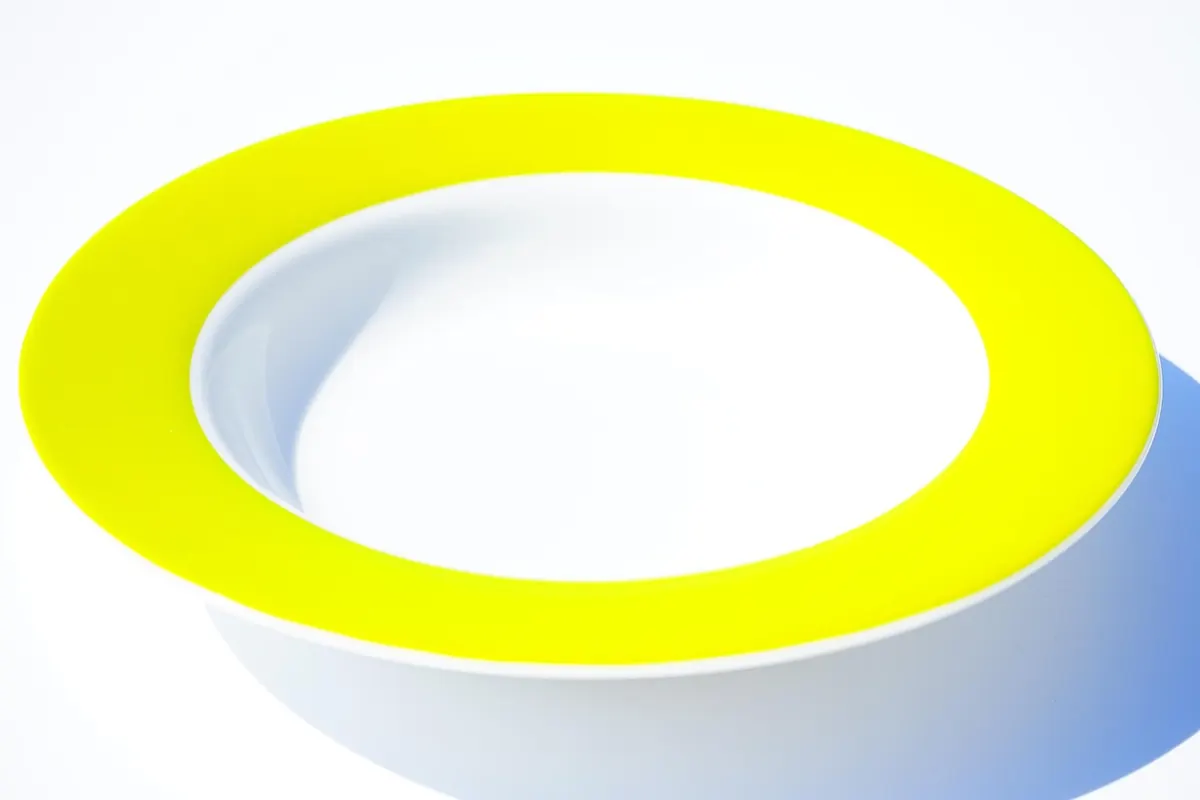
A plate is a working object. It meets a knife several times a day, sits in hot water, gets stacked with eleven of its relatives and is expected to look presentable when guests arrive. Yet most of us choose dinnerware by colour and weight, then discover the practical details later, usually when a rim chips or a matte surface starts showing grey scribbles. Glaze durability is not a mystery, though. It comes down to a handful of measurable things: how hot the piece was fired, how well the glaze fits the clay beneath it, and how honest the maker is about what the plate can take. What follows is a working guide for anyone buying plates to use, not to admire on a shelf.
What "food-safe" actually means on a glaze
A food-safe glaze is one that has melted fully into a stable glass during firing and stays that way in contact with food. The key word is stable. A glaze that is underfired, or formulated with too much of a flux that never settles into the glass structure, can release small amounts of its ingredients into acidic food such as tomato sauce, vinegar or citrus. That is why lead and cadmium are restricted in ceramic food-contact ware in the EU, and why reputable makers test their glazes against those limits rather than assuming.
Two things follow from this, and both matter when you are shopping. First, high-fired stoneware and porcelain glazes are generally more durable and more resistant to leaching than low-fired earthenware glazes, because the higher temperature produces a tighter, harder glass. Second, decoration placement counts. Glazes and colours applied under a clear glaze are sealed beneath glass; decoration sitting on top of the glaze, especially metallic lustre or raised enamel, is far more exposed and can wear, fade or be a leaching risk if it was not made for food contact.
Crazing deserves a mention, because it worries people more than it should and occasionally less than it should. Those fine networks of cracks in a glaze can be a deliberate decorative effect, but on everyday ware they usually signal that the glaze and the clay body are pulling against each other. Crazed surfaces stain, and an unstable crazed glaze on an older or unknown piece is best treated as decorative rather than as your dinner plate. If you are unsure about a vintage or unmarked item, use it for fruit or display, and ask the maker or a food-safety authority if you want certainty on health questions. It is not a decision to guess at.
Cutlery marking, and why matte plates show it first
Those grey lines that appear where a knife has been dragged across a plate are usually not scratches in the glaze. They are tiny deposits of metal transferred from the cutlery onto the glaze surface, and they show up most visibly on matte, satin and lightly textured finishes because those surfaces scatter light and hold the residue. Glossy, hard-fired glazes get the same treatment but hide it better.
Most marking is cosmetic, and it can often be lifted with a paste of bicarbonate of soda and water, a little white vinegar, or a mild abrasive cream cleaner. Test on the underside first. What you should not do is attack a matte glaze with steel wool or a scouring pad; you will dull the surface permanently and make the next mark easier to set in.
If marking bothers you on everyday plates, choose a glossy or semi-gloss glaze with a smooth, well-melted surface, and be aware that some reactive and volcanic-looking glazes are naturally rougher at the micro level. They are beautiful and perfectly serviceable. They simply record their history.
What the dishwasher is really doing to your plates
A dishwasher cycle is a fairly aggressive environment: hot water, a strongly alkaline detergent, a long soak, then a heated dry. Over hundreds of cycles, that combination can dull a soft glaze, etch a low-fired surface, fade on-glaze decoration and strip gold rims. It also causes chips indirectly, through plates knocking against each other in the rack.
Here is where "dishwasher safe" needs reading carefully. The claim usually reflects a manufacturer's own testing over a limited number of cycles, not a lifetime guarantee. It is a reasonable guide for well-made stoneware and porcelain with a plain glaze; it is optimistic for hand-painted lustre, crackle finishes, unglazed rims and anything made of soft earthenware.
You can extend the life of almost any plate in the machine by following a few habits:
- Load plates so they cannot rattle; leave a finger's width between them.
- Use a normal or eco cycle rather than the hottest intensive programme for everyday loads.
- Keep the rinse aid topped up, so water sheets off instead of sitting on the glaze.
- Wash gold-trimmed, crackle-glazed and heavily decorated pieces by hand.
- Rinse tomato, curry and turmeric residue before loading; long contact with strong colour is what stains a crazed or matte surface.
Construction details that predict how a plate will age
Before you look at pattern, look at the edges. A thick, softly rounded rim survives knocks better than a thin, sharp one, and it chips in a way that is less likely to leave a sharp point. Run a fingertip around the rim and the foot ring. Any roughness, pinholes or unglazed patches on the eating surface are reasons to put the plate back.
Turn the plate over. A fully glazed foot is kind to tabletops; a bare foot ring grips better in a stack but can abrade and, on some bodies, absorb water at the base. Check whether the underside is flat and stable, since a plate that rocks will eventually chip at the point where it pivots.
The old tap test is worth doing, with a caveat. Flick the rim with a fingernail: a clear ring suggests a dense, well-fired body, while a dull thud can hint at a hairline crack or a poorly vitrified piece. It is a rough signal, not a diagnosis, so treat it as one more clue rather than a verdict.
Questions to ask before you buy everyday plates
Good makers answer these without flinching. If a shop or studio cannot tell you anything about how the work was fired, that is useful information in itself.
- What clay body is this, and what temperature was it fired to?
- Have the glazes been tested for food contact, including lead and cadmium release?
- Is the rim glazed with the same glaze as the eating surface, or is it a decorative finish?
- Has the maker tested the piece through repeated dishwasher cycles, and how many?
- Is it microwave and oven safe, and are there thermal-shock warnings?
- What does the maker offer if a plate chips or crazes within the first months of daily use?
- Can I buy two pieces and live with them for a month before committing to a set?
That last question is the one most people skip, and it is the most useful. A month of real breakfasts, roasts and dishwasher loads tells you more than any label.
Care habits that quietly add years
Avoid thermal shock above all else. Do not pour boiling stock into a cold bowl, do not move a hot dish to a cold stone worktop, and warm ovenproof ware gradually rather than sliding it into a blazing oven. Stack plates with a felt pad or a sheet of paper between them if the glaze is matte, and lift rather than slide them out of the cupboard. Wash strongly coloured food off promptly. None of this is fussy; it is simply how ceramic lasts.
A sensible standard for everyday plates
For daily use, look for a well-fired stoneware or porcelain body, a smooth glossy or semi-gloss glaze that has clearly melted to a glass, decoration sealed under that glaze, and a maker who can answer the questions above in plain language. Expect the plates to acquire a little history: a faint mark here, a softened edge there. What you are buying is not scratch-proof dinnerware, because that does not exist. You are buying a piece whose glaze and body were made to match, and whose maker knows the difference.
Photo: Hans / Pixabay